This was a close one. Tactically, the script was set from the start. Manchester City did not line up with any traditional wingers, which meant that almost every meaningful chance they created would have to come through the middle of the pitch. Nottingham Forest, on the other hand, clearly did their homework. Out of possession, they defended with great discipline in a 4-5-1, overloading the midfield and staying extremely compact, fully aware that central progression was realistically City’s only route to goal.
Fullback Troubles Without Wingers
City found it relatively easy to circulate the ball to their fullbacks, who were positioned wide and slightly higher than the centre-backs around the halfway line. However, from there, progression almost always stalled. Those areas rarely led to anything threatening.
Ideally, a fullback wants a winger ahead of them; someone to pass to, combine with, and then make overlapping, underlapping, or supporting runs in order to get the ball back and deliver into the box. That dynamic was largely missing. With no traditional winger on the left, O’Reilly often had to wait for Phil Foden to make a run from midfield, and Forest tracked those movements extremely well.
In fact, most of the runs available for O’Reilly were inward, towards the central channel or half-space, rather than down the line. These movements were also almost always isolated. Rarely did we see complementary runs in the same channel to create space or force defensive indecision. As a result, O’Reilly frequently found himself with no clear progressive option.
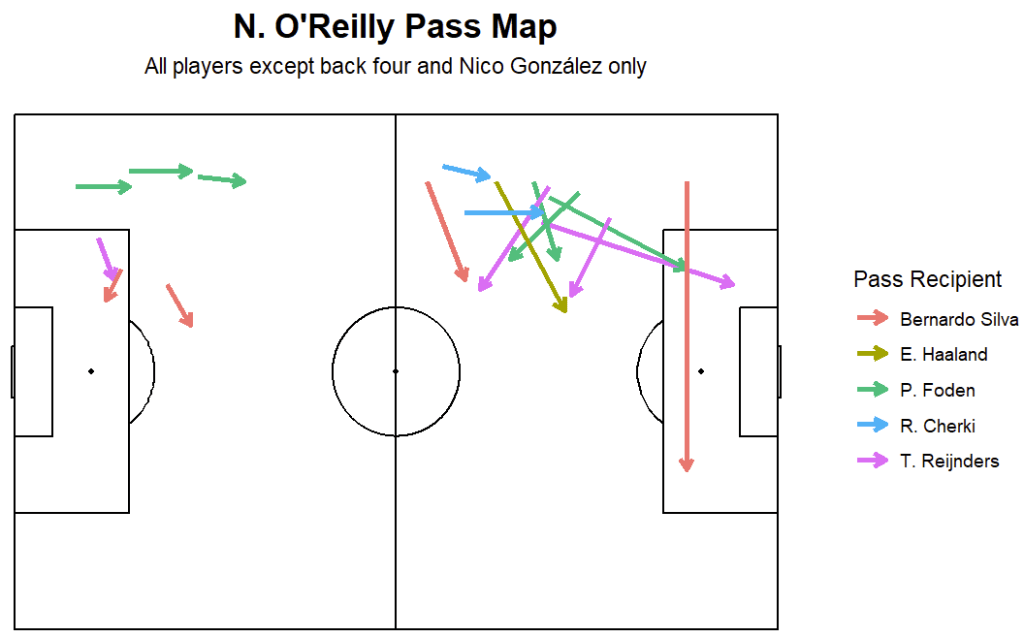
Although he did find some success connecting with Foden and Reijnders in the left and central half-spaces, neither had their best day from a decision-making or chance-creation standpoint. Too often, those possessions ended with the ball being recycled backwards or lost under pressure.
On the right, Matheus Nunes enjoyed slightly more success finding Bernardo Silva’s runs in the wide channel. However, considering how conservative Bernardo has become over the years (his style now suiting more of a number six than a makeshift winger) those passes rarely amounted to anything. Instead of taking on his defender or delivering early, Bernardo often chose the safer option and played the ball back inside, allowing Forest to reset their block.
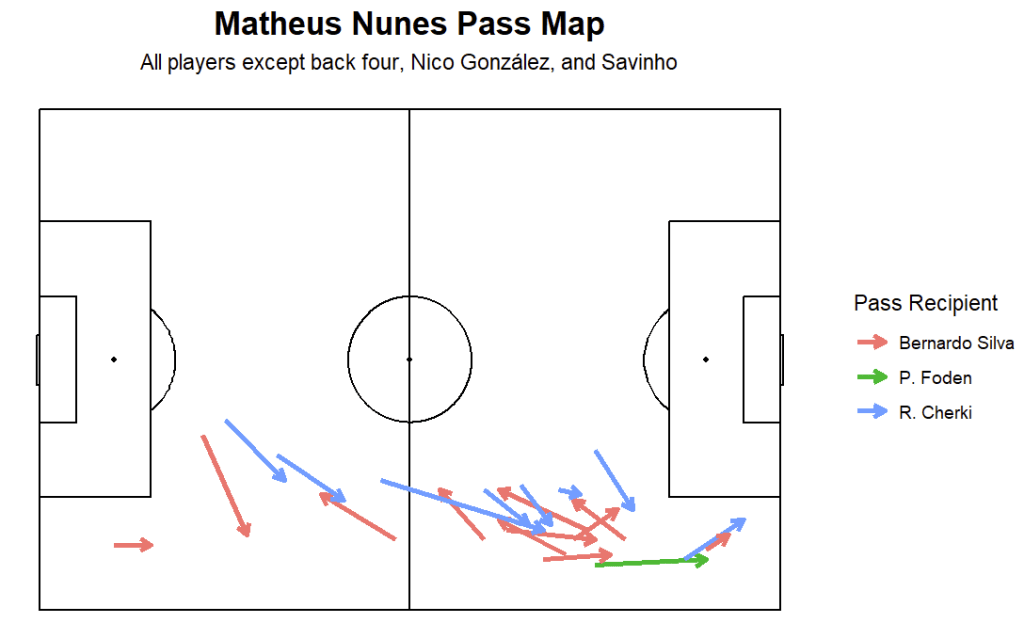
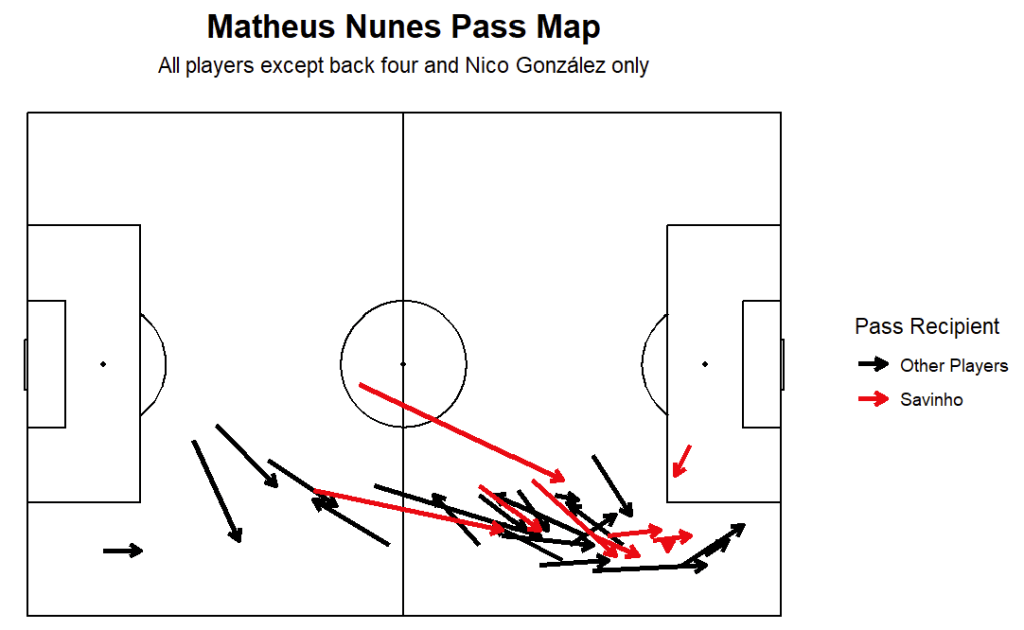
It was therefore no surprise to see Savinho, a true winger, introduced in the 73rd minute in place of Reijnders. His presence immediately stretched the pitch and gave Nunes a genuine high-and-wide option on the right. In fact, it was Savinho’s dangerous ball over the back line to Haaland that led to a flurry of corners for City, one of which eventually resulted in Cherki’s goal.
Gvardiol: The New KDB?
I know a lot of people like to say Cherki is the new Kevin De Bruyne, but I want to give a salute to Josko Gvardiol for the role he played in getting City going from the back.
Foden and Cherki are two of the most technically gifted players in the Premier League, particularly when receiving under pressure with their backs to goal. All Gvardiol had to do was find them at the right moment and he did so exceptionally well.

His line-breaking passes through the center were instrumental in injecting tempo into City’s attack. Time and again, he split Forest’s midfield block with precision. One such pass early in the second half, threaded into Cherki as he drifted towards the left side, proved decisive. Cherki quickly released Reijnders on a late run into the box, leading to a sublime finish and City’s opening goal.
The Simplicity of Nottingham Forest
As a City fan, it was incredibly frustrating to watch O’Reilly recycle possession back to Gvardiol and González for what felt like the umpteenth time. But when Nottingham Forest had the ball, they attacked with a very clear plan.
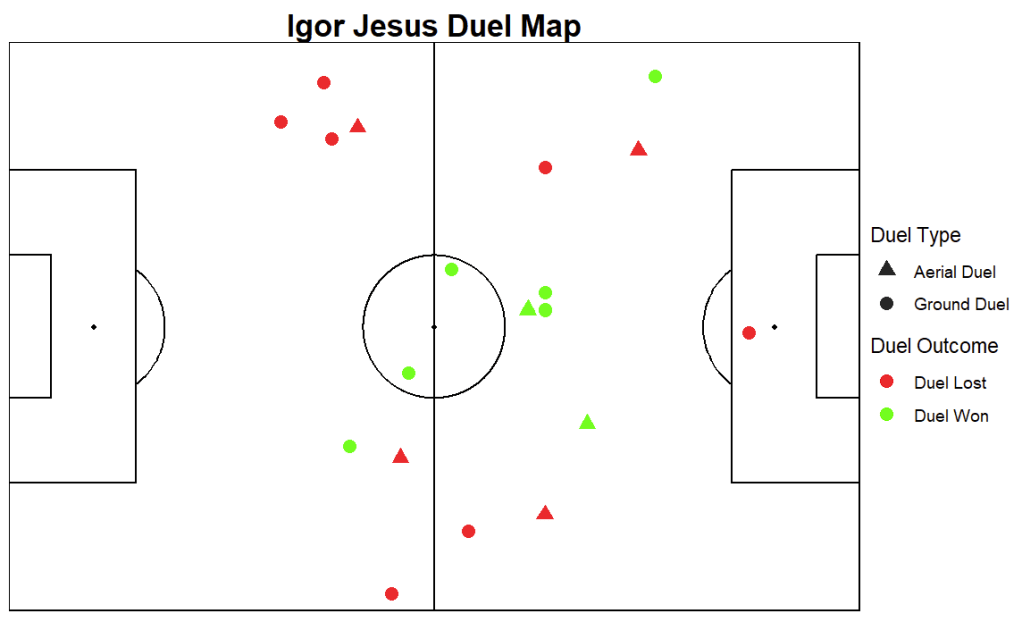
They knew they were not capable of consistently playing through City’s press, and instead leaned into their strengths. Time and again, they went long towards Igor Jesus. My word, what a player he is! He repeatedly received the ball in the central channel just beyond the halfway line, and on a few occasions early in the match even managed to draw fouls, much to the frustration of Rúben Dias.
Forest also relied heavily on quick, early crosses into the box. They attempted ten in total, with six finding their target, and many of them delivered beautifully by Hutchinson. City, by contrast, attempted only three more crosses in the entire match, with just three being accurate, despite completing 272 more passes than Forest.
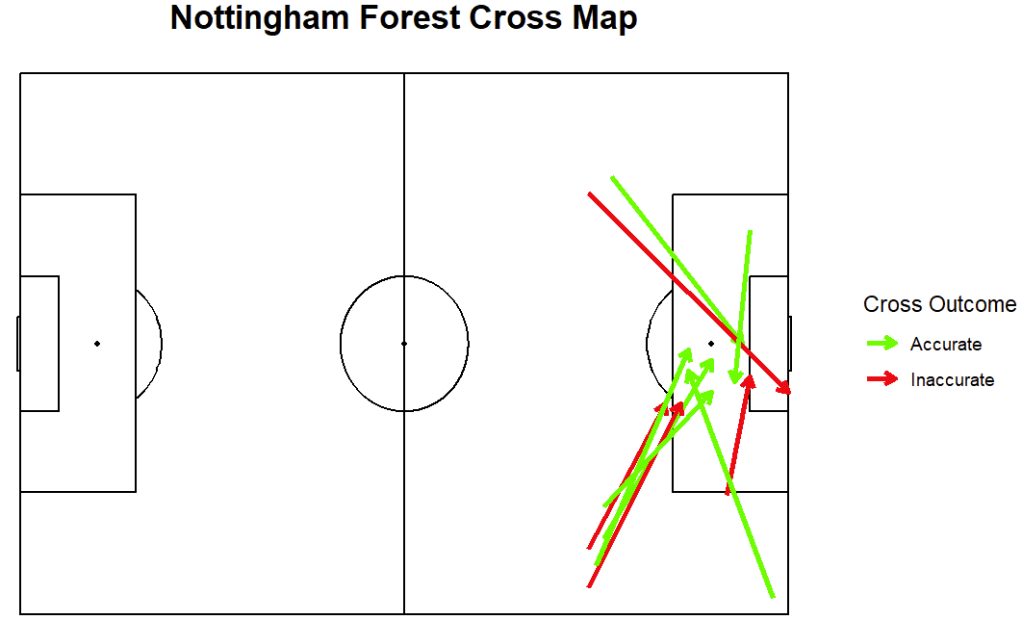
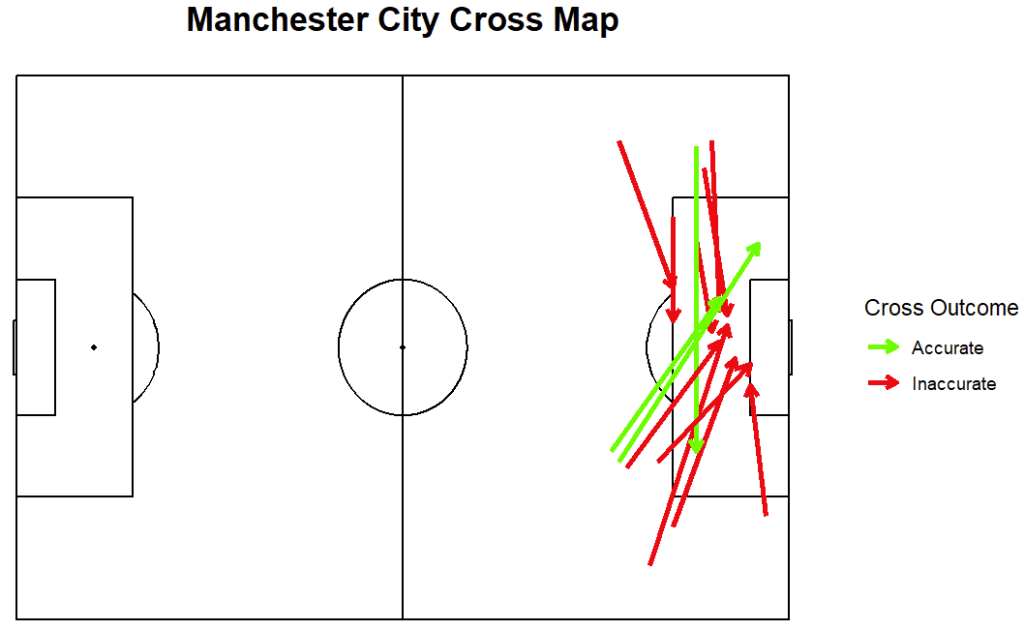
This isn’t to say City should abandon their principles and resort to aimless crossing. But it does highlight how crossing can still pose a real threat and create simple chances out of almost nothing, especially when you have a physical presence like Erling Haaland constantly occupying the box.
Decision-Making and Chemistry
It’s clear to me that for City to score goals freely, their primary creators—Foden, Cherki, and Reijnders—need to develop a near-telepathic understanding with Haaland, much like De Bruyne once had. Cherki looks like he’s getting there, but Foden and Reijnders still have work to do.
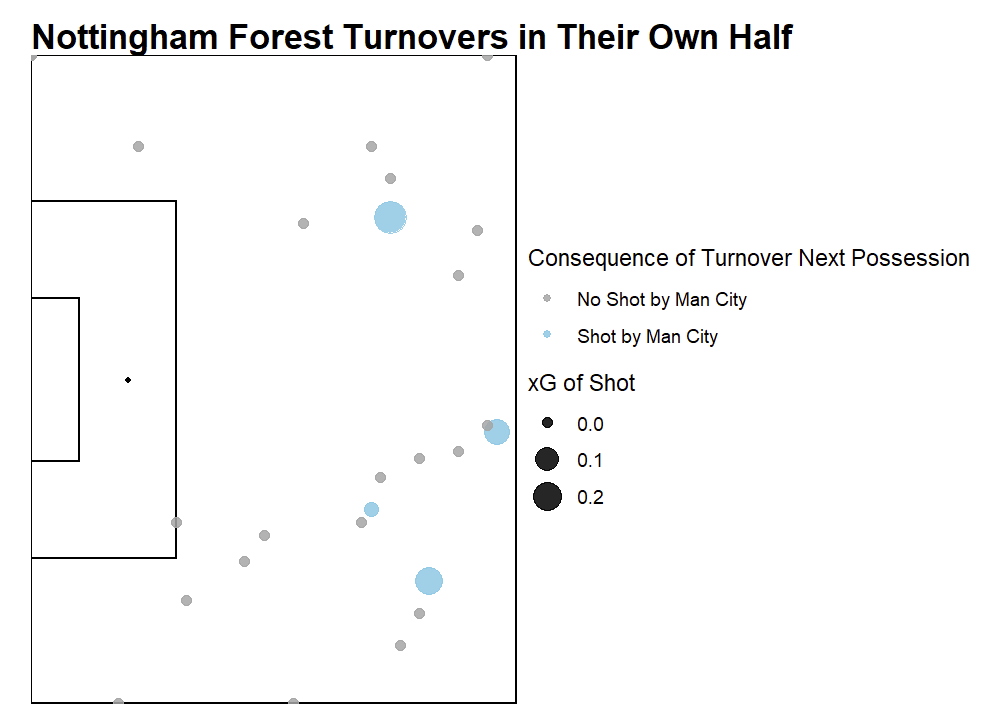
Too often, City won the ball high up the pitch through their pressing, only to then choose the safe option and play backwards, restarting the entire cycle. At other times, the wrong run was found. Reijnders was dispossessed on multiple occasions while seemingly unsure of his next action, while Foden, frustratingly, appeared reluctant to play Haaland in and instead opted for low-percentage shots. As a matter of fact, Nottingham Forest turned the ball over 27 times in their own half, courtesy of inaccurate passing, while City managed to take only four shots off those chances.
One thing I also noticed was how frequently Foden looked for the one-touch layoff with a number eight or six when receiving with his back to goal. While that has its place, I can’t help but feel he has the ability to show a bit more patience, roll his defender, and thread Haaland through himself.
I understand that chemistry takes time, and I’ve come to accept that replicating the level of cohesion City had in previous seasons may be unrealistic. Watching this team over the past eight years has been a privilege and it still is. Football has changed, and it doesn’t feel quite as rosy anymore. But, that’s the beauty of it!
 Kushal Gupta
Leave a comment